

Toronto Condo Team
Loft Buying Guide
Know what you are buying before you make an offer. Compare loft types, layouts, buildings, ownership costs, and due-diligence steps before choosing a Toronto loft.
120+
Active Loft Rentals
$2,900
Avg. Monthly Rent
9 Days
Avg. Time to Lease
Buying a loft can feel different from buying a conventional condo. The architecture may be more distinctive, the layouts less predictable, and the building history more important. A dramatic space with exposed brick, concrete ceilings, oversized windows, or a mezzanine can be appealing — but those features are only one part of the decision.
A sound loft purchase also depends on how the unit functions, how the building is managed, what the monthly costs include, and whether the property fits your plans beyond the first impression. Our loft buying guide helps Toronto and Greater Toronto Area buyers understand what to compare before making an offer.
Whether you are considering your first loft or moving from another type of home, we can help you focus on the details that affect comfort, cost, and long-term value.
Loft Types
Start by Understanding What Type of Loft You Are Buying
The word “loft” can describe several different types of property. Some are authentic conversions. Others are purpose-built condominiums designed with loft-inspired features. Some are conventional condos with high ceilings or open layouts that are marketed as lofts. Understanding the difference helps you compare properties more effectively.
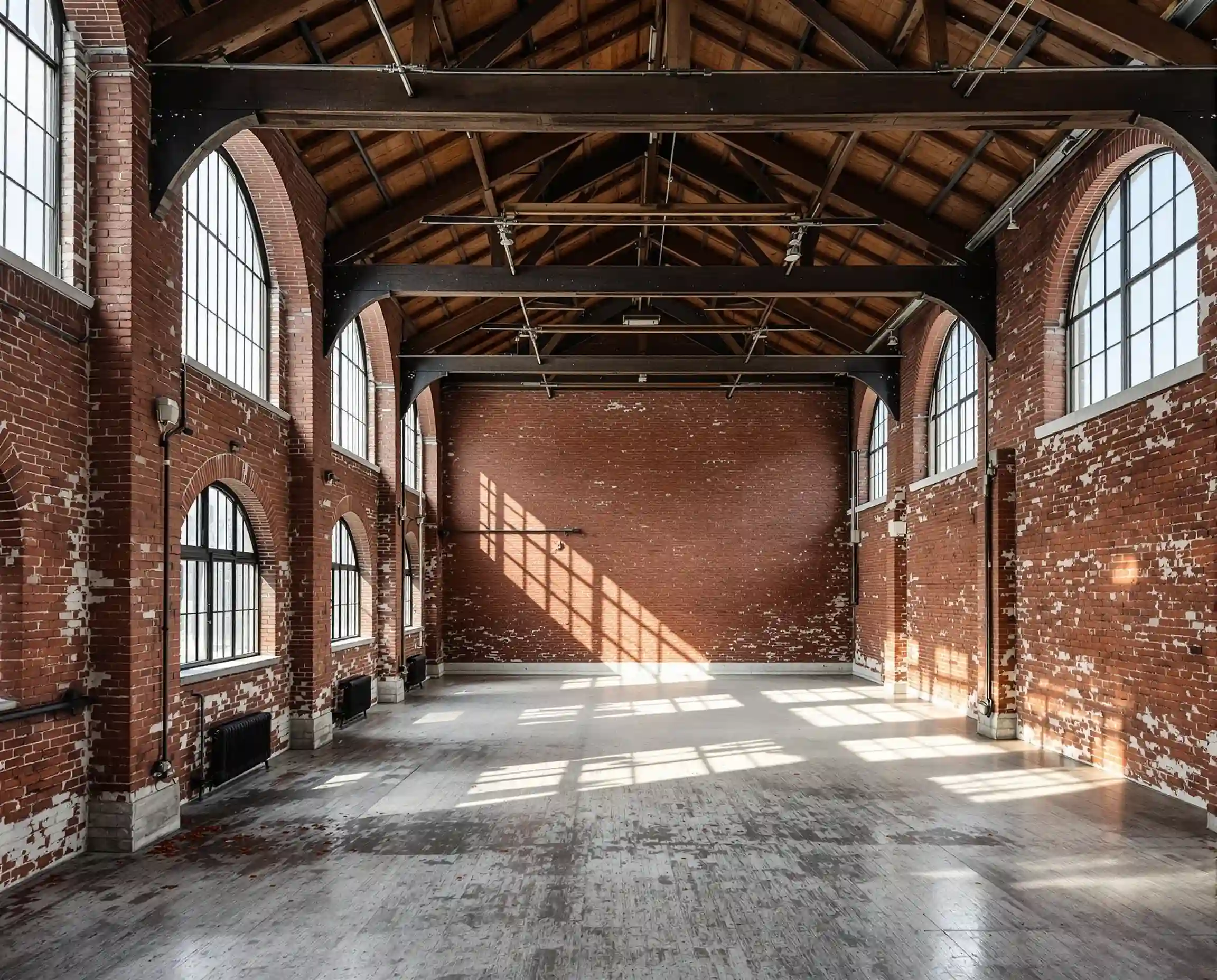
Hard Lofts
Authentic Industrial Conversions
Hard lofts are generally created by converting former industrial, commercial, warehouse, manufacturing, or institutional buildings into residences. They often appeal to buyers who value authenticity, building history, and architectural character. They may also require closer attention to windows, insulation, heating, cooling, sound transfer, accessibility, and long-term building maintenance.
- Exposed brick
- Timber beams
- Concrete columns
- Warehouse-style windows
- High ceilings
- Open floor plans
- Original masonry
- Historic architectural details
- Irregular layouts shaped by former use
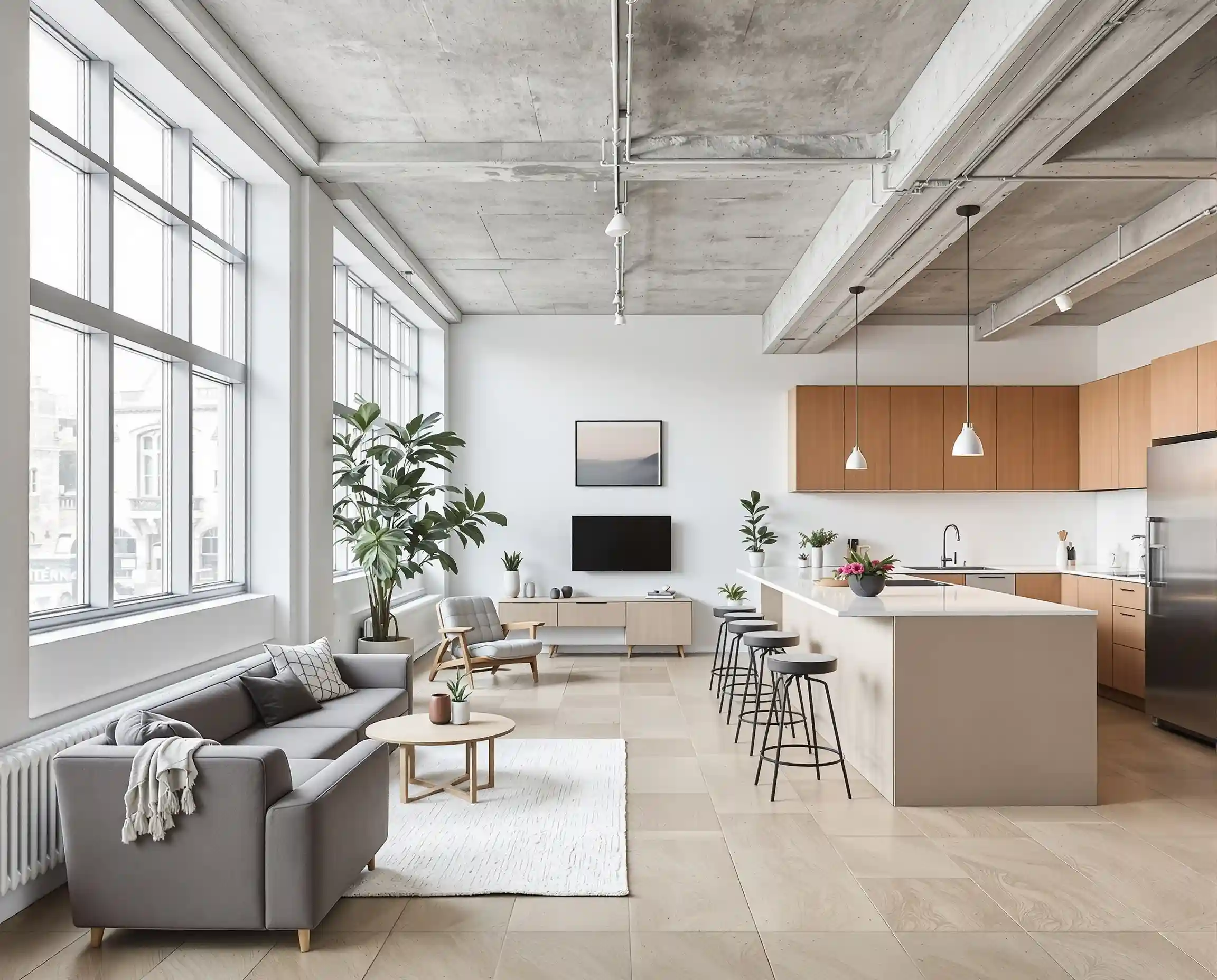
Soft Lofts
Purpose-Built Residential
Soft lofts are purpose-built residential condominiums designed to offer some of the openness and visual character associated with converted lofts. They may suit buyers who want loft-inspired design with newer construction and a more conventional condominium experience.
- High ceilings
- Floor-to-ceiling windows
- Open-concept layouts
- Exposed concrete
- Modern kitchens
- Balconies or terraces
- Two-storey designs
- Newer mechanical systems
- Contemporary amenities
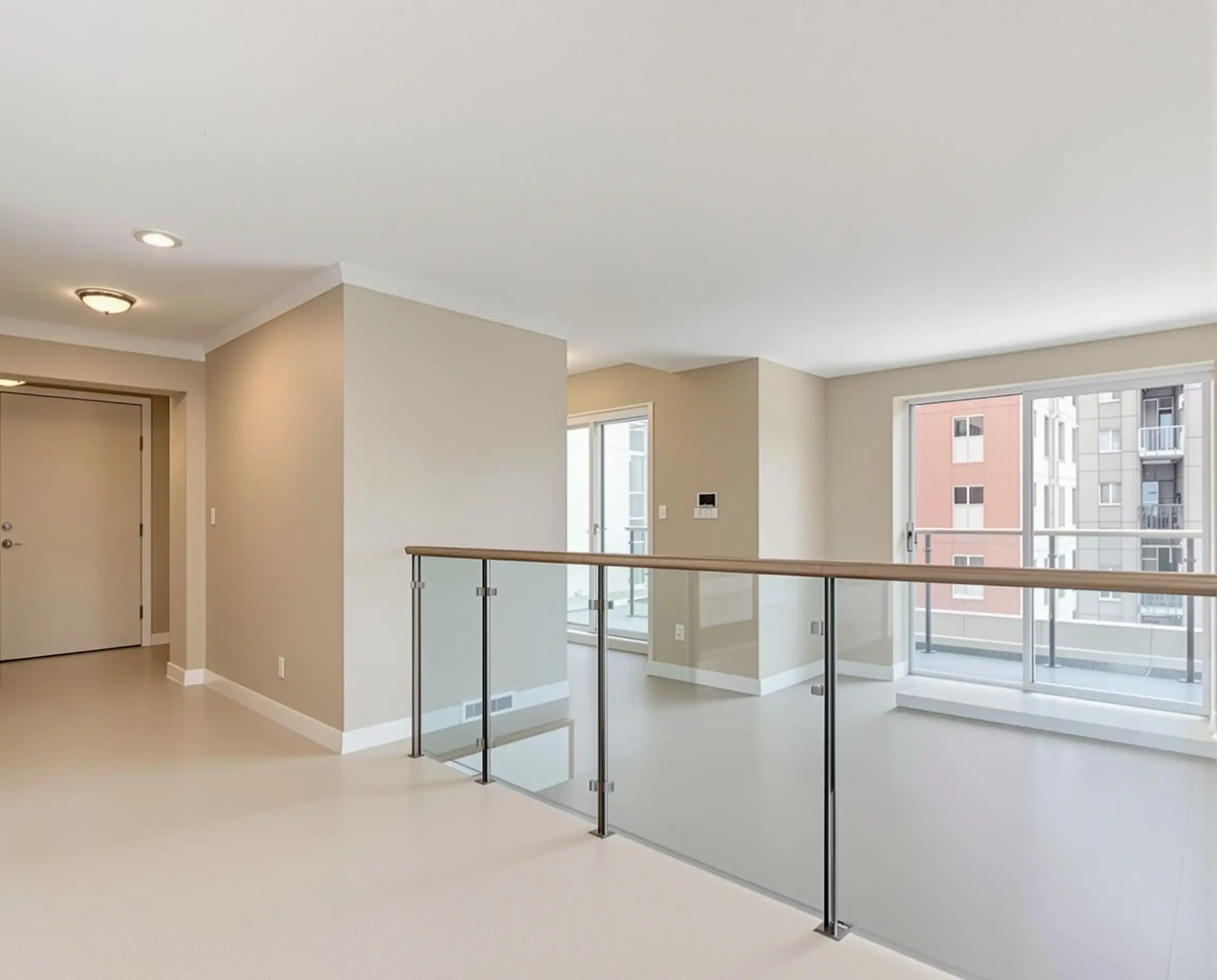
Loft-Style Condos
Conventional Condos With Loft Features
Some conventional condos are promoted as lofts because they include an open floor plan, exposed concrete, or higher ceilings. These properties may still be suitable, but the marketing label should not replace a careful review of the layout, building, and monthly costs. We help buyers understand what they are considering and compare each property with the right expectations.
- Open floor plan
- Exposed concrete accents
- Higher ceilings than standard
- Standard condo building structure
- Conventional amenities
- Regular condominium governance
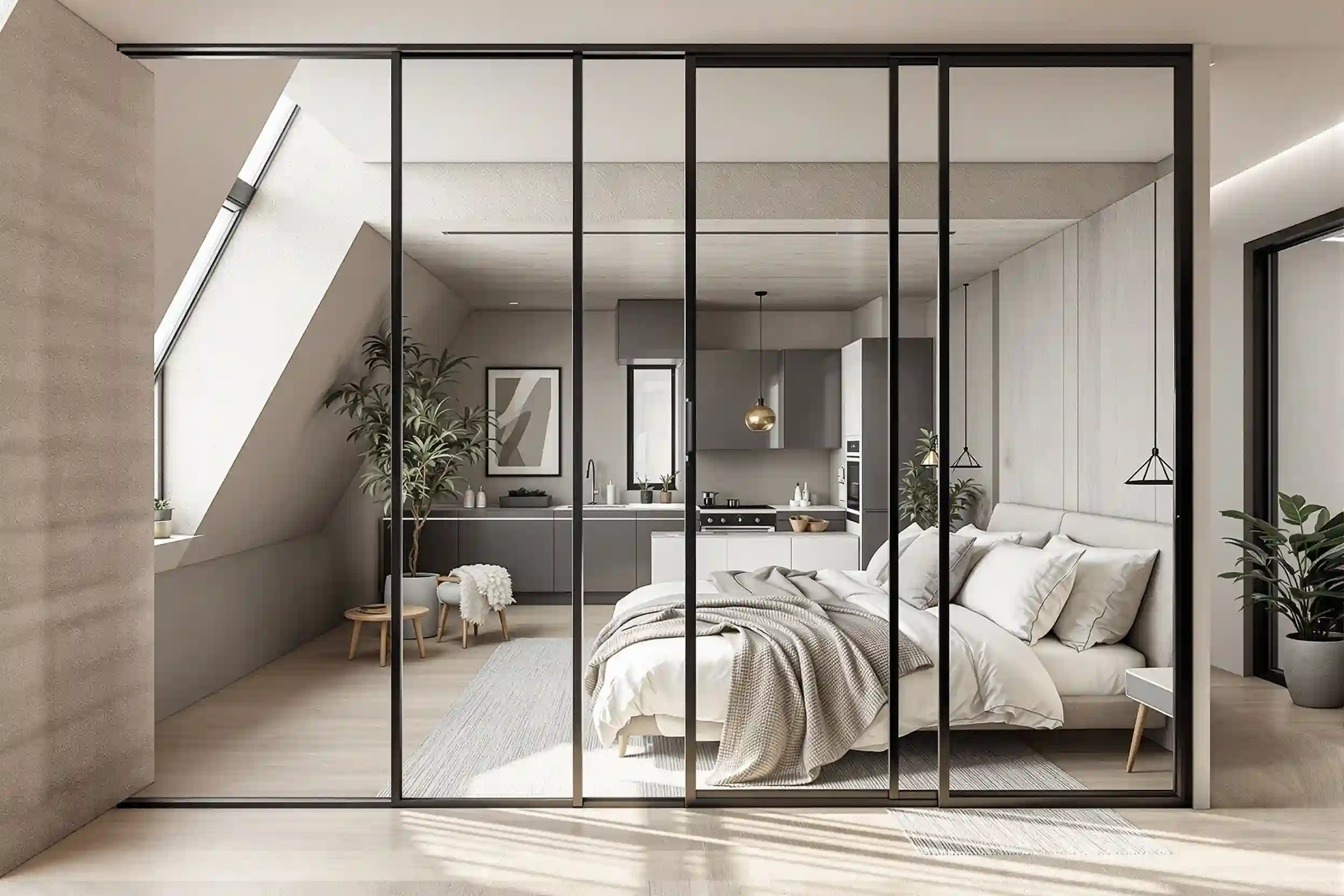
Lifestyle
Decide Whether Loft Living Fits Your Routine
Lofts can feel open, flexible, and visually impressive — but not every layout works for every buyer. Before beginning a serious search, think about how you use your home from morning to night.
Privacy
Some lofts have open sleeping areas, partial-height walls, mezzanines, glass partitions, or sliding doors. That arrangement may work well for one person but feel limiting for couples, remote workers, frequent hosts, or buyers planning for future household changes. Look at how easily sleeping, working, cooking, and entertaining areas can be separated.
Storage
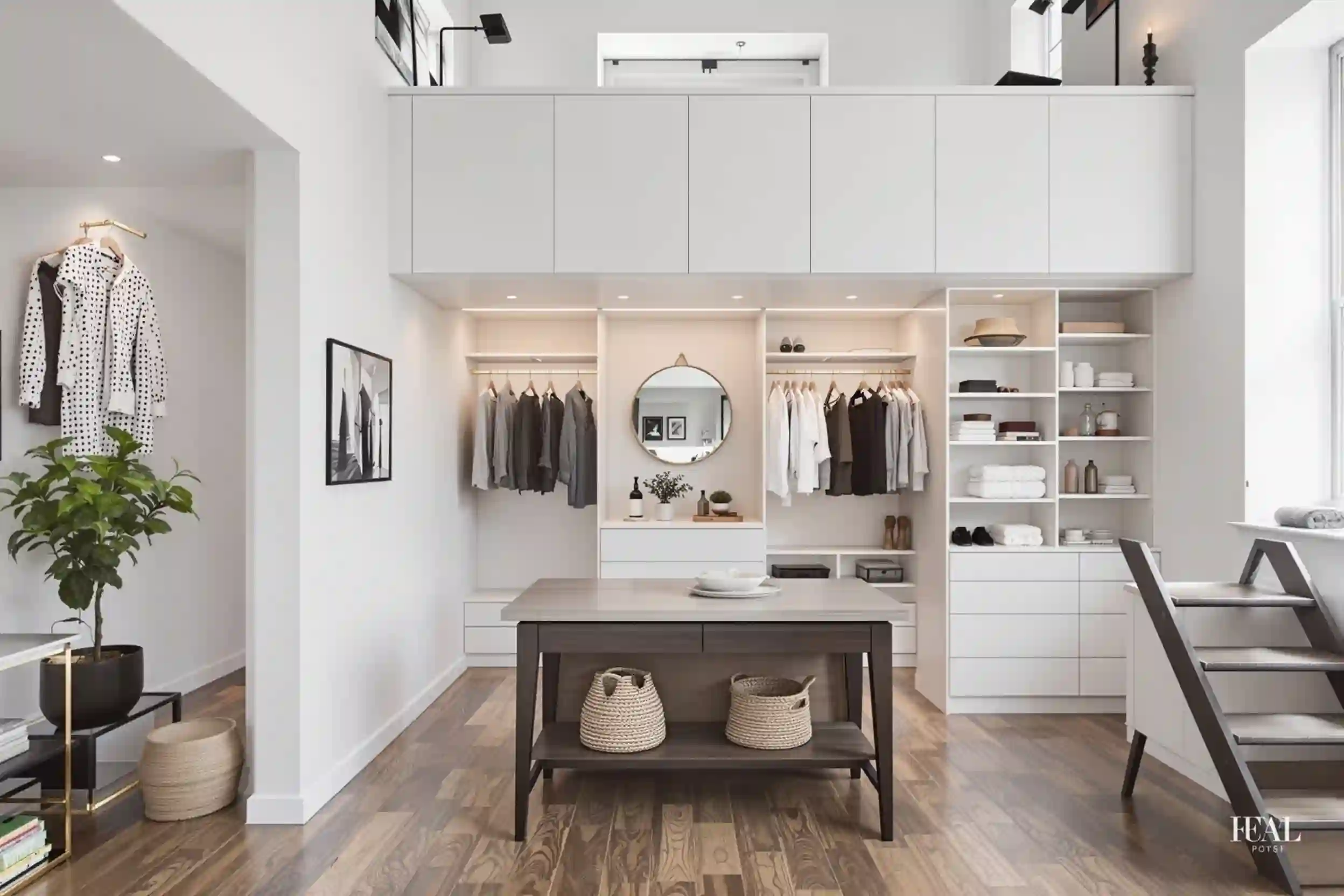
Open space does not always mean generous storage. Check the number and size of closets, kitchen storage, locker availability, built-in shelving, and usable wall space. Consider whether custom cabinetry would be needed after purchase.
Sound
High ceilings, hard surfaces, open layouts, and older construction may affect how sound travels. Listen for noise from neighbouring units, hallways, elevators, mechanical equipment, streets, and nearby businesses. Pay attention to how sound moves between levels in a two-storey unit.
Heating and Cooling
Large windows and high ceilings can influence indoor comfort and utility use. Ask how the unit is heated and cooled, whether the system is individually controlled, what utilities are included in the maintenance fees, and whether the windows have been upgraded.
Work-From-Home Space
A spacious living area may not provide a quiet place for calls or focused work. Look for an enclosed den, flexible second bedroom, upper level, movable partition, or another area that can function as a defined office.
Long-Term Flexibility
Consider whether the layout will continue to work if your needs change. Accessibility, stairs, storage, work arrangements, family plans, renovation options, and resale appeal all deserve attention. We help buyers evaluate the property as a home rather than relying only on staging or listing photos.
Budget
Build a Complete Loft-Buying Budget
The purchase price is only one part of loft ownership. Before narrowing your search, build a budget that reflects both closing costs and ongoing ownership expenses.
Maintenance fees deserve careful attention. A lower fee is not automatically an advantage if the building has delayed repairs or limited reserve-fund planning. A higher fee may be reasonable when it includes utilities, parking, building services, or substantial amenities.
A loft with a lower asking price may not offer better value if the layout wastes space or the monthly costs are higher than expected.
We Help Buyers Compare:
Your Total Financial Picture
Consider every cost before making an offer
Your Total Financial Picture
Consider every cost before making an offer.
The upfront portion of the purchase price paid from your own funds. In Canada the minimum varies with price, and a larger down payment reduces your mortgage and may help you avoid default insurance.
Your ongoing principal and interest payments. The rate, amortization, and payment frequency all affect the monthly amount and the total cost over time.
The monthly condo fee covering building operations, reserve-fund contributions, and shared services. Confirm what is included and how it compares with similar buildings.
Annual municipal taxes based on assessed value. They are separate from maintenance fees and should be built into your monthly budget.
Hydro, water, heating, and cooling may be included in the maintenance fee or billed separately. Confirm which utilities you will pay directly.
Parking and lockers may be owned, rented, or separately titled, and can carry their own purchase price or monthly fee. Confirm the arrangement before you offer.
Condo owners carry a personal policy covering contents, betterments, and liability, separate from the building's master insurance. Budget for the annual premium.
Your lawyer handles the closing, title review, status-certificate review, and registration. Fees plus disbursements are due at closing.
Ontario's land transfer tax is payable on closing, calculated on the purchase price. First-time buyers may qualify for a partial rebate.
Properties within Toronto carry a second, municipal land transfer tax on top of the provincial one — a significant cost worth calculating early.
A home inspection or specialist assessment can reveal condition issues before you commit — especially valuable in older converted loft buildings.
Budget for any changes you want to make soon after moving in — storage solutions, window treatments, paint, or layout adjustments.
Movers, elevator booking fees, and deposits are common in condo buildings. Factor these one-time costs into your closing budget.
If the reserve fund cannot cover a major repair, owners may face a special assessment. Reviewing the reserve-fund study helps you gauge this risk.
Neighbourhoods
Popular Toronto Neighbourhoods for Loft Rentals
Toronto loft rentals are concentrated in neighbourhoods shaped by industrial history, redevelopment, transit access, and urban density.
8 Toronto Neighbourhoods With Active Loft Rentals
From King West to the Distillery District, explore where loft rentals are concentrated
King West
Hard and soft lofts near restaurants, nightlife, offices, and transit access.
Explore King West →Queen West
Independent shops, dining, arts, culture, and established west-end character.
Explore Queen West →Liberty Village
Converted industrial buildings, newer loft-style condos, local services, and transit.
Explore Liberty Village →Leslieville & Riverside
Warehouse conversions and modern loft-style residences near restaurants, parks, and shops.
Explore Leslieville & Riverside →The Distillery District
Historic architecture, cultural attractions, restaurants, and access to central transit.
Explore The Distillery District →St. Lawrence Market
Walkability, transit, established amenities, and proximity to the downtown core.
Explore St. Lawrence Market →Downtown West & Entertainment District
Soft lofts, two-storey units, and modern loft apartments close to offices and dining.
Explore Downtown West & Entertainment District →Fort York & CityPlace
Contemporary loft-style layouts near parks, transit, the waterfront, and downtown.
Explore Fort York & CityPlace →Why Work With Us
Why Buyers Work With Us
A useful loft buying guide should lead to informed decisions, not simply more information. We combine Toronto loft knowledge, condominium experience, neighbourhood insight, building research, and practical buyer guidance.
We do not treat every loft as the right fit. We help you compare the character that attracts you with the practical, financial, and building details that determine whether the property makes sense.
We Help Our Clients:
- Understand hard lofts and soft lofts
- Find current Toronto loft listings
- Compare buildings and neighbourhoods
- Evaluate layouts and everyday usability
- Build a realistic purchase budget
- Review maintenance fees
- Research conversion and building history
- Compare recent sales
- Prepare for showings
- Identify due-diligence questions
- Plan offers
- Monitor new opportunities
- Coordinate the buying process through closing
Get Started
Plan Your Loft Purchase With Us
Tell us what you are looking for and we will help you build a focused search. Share your preferred neighbourhoods, budget, loft type, bedroom requirements, parking needs, layout priorities, architectural preferences, and buying timeline.
We can help you explore current listings, research buildings, compare ownership costs, and prepare to act when the right property becomes available.